
The Right Toothbrush Makes All The Difference
Your toothbrush is the most important tool in your oral health routine, yet many people don’t give much thought to which type they’re using. The toothbrush aisle at the store can feel overwhelming, with dozens of options promising different benefits and features. Understanding the real differences between toothbrushes will help you make an informed choice that improves your daily dental care routine and protects your long-term oral health. Read on to learn more.
Why Your Toothbrush Choice Matters
The two main categories of toothbrushes, manual and electric, offer distinct advantages depending on your needs, preferences, and habits. Understanding what each type does well helps you choose the option that will improve your oral health rather than just adding another gadget to your bathroom counter.
Manual Toothbrushes Offer Simplicity and Control
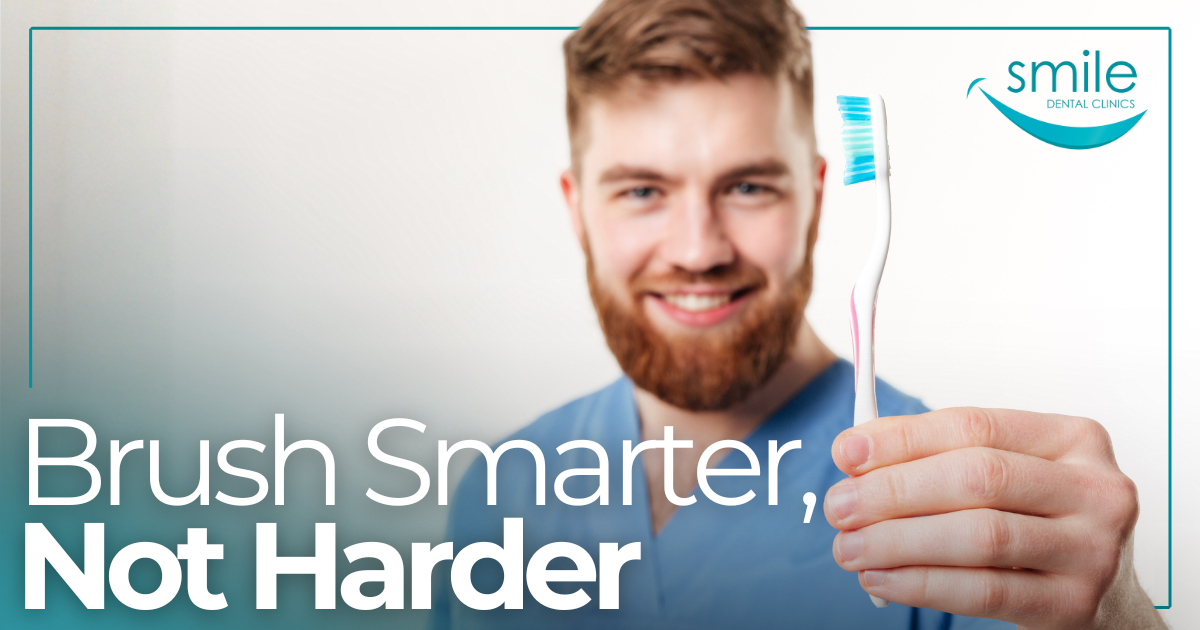
A manual toothbrush is the standard and remains an excellent choice for many people. You might choose a manual toothbrush because it gives you complete control over the pressure you apply and the technique you use, which is where proper brushing depends more on your method than on the tool itself. When used correctly with the right technique, a quality manual toothbrush cleans teeth thoroughly and effectively removes plaque.
Soft-bristle manual toothbrushes work best for most people because they clean effectively without damaging tooth enamel or irritating gum tissue. Medium- and hard-bristle toothbrushes might seem like they would clean better, but they actually increase your risk of enamel wear and gum recession over time. Smaller toothbrush heads reach back teeth more easily, while angled bristles help clean along the gumline. Manual toothbrushes also offer practical advantages: they’re affordable, portable, and never need charging or batteries.
The American Dental Association recommends replacing your toothbrush every 3 to 4 months to maintain effective cleaning. If the bristles look frayed before then, it’s time for a new toothbrush since worn bristles don’t remove plaque as thoroughly.
Electric Toothbrushes Deliver Consistent, Thorough Cleaning
Electric toothbrushes offer features that genuinely improve cleaning effectiveness. The primary advantage of an electric toothbrush lies in the thousands of brush strokes it delivers per minute, far more than you could achieve manually. This consistent motion removes plaque more thoroughly and helps you maintain proper brushing time. Most electric toothbrushes include a built-in timer that runs for the recommended two minutes, ensuring you spend adequate time on each section of your mouth.
Two main types of electric toothbrush dominate the market: oscillating-rotating models and sonic brushes.
- Oscillating-rotating brushes feature small, round heads that spin in alternating directions, surrounding each tooth and cleaning from multiple angles.
- Sonic toothbrushes use rapid side-to-side vibrations that create fluid dynamics to clean between teeth and along the gumline.
Both technologies work effectively, and research shows that either type removes more plaque than manual brushing when used correctly.
Electric toothbrushes particularly benefit people with limited manual dexterity, arthritis, or other conditions that make the repetitive motions of brushing their teeth difficult. The powered bristle movement does most of the work, so you simply guide the brush from tooth to tooth. Many models include pressure sensors that alert you if you’re brushing too aggressively, protecting your tooth enamel and gums from damage.
Just like manual toothbrushes, electric brush heads need replacement every 3 to 4 months. Watch for the same signs of wear, including frayed or bent bristles, that indicate it’s time for a new brush head. Some electric toothbrush models have color indicators that change color or fade with time, giving you a visual reminder to replace the brush head.
Specialty Options Address Specific Needs
Beyond standard options, several specialty toothbrushes serve specific purposes. Consider these based on your individual situation:
- Interdental brushes clean between teeth and around dental work like bridges and braces
- End-tuft brushes feature small bristle clusters perfect for cleaning around orthodontic brackets and behind back molars
- Ultra-soft brushes provide gentler cleaning for people with sensitive teeth and gums
If you’re considering changing your toothbrush, give yourself an adjustment period. Electric toothbrushes feel quite different initially. It takes a few days to get comfortable with the sensation and learn the proper technique. Most people find that, within a week or two, the new toothbrush feels completely natural. Remember to replace your toothbrush or brush head every three months for optimal cleaning effectiveness.
Ready to optimize your oral hygiene routine with the right toothbrush? Our team can evaluate your brushing technique, recommend the best toothbrush type for your needs, and demonstrate proper cleaning techniques during your next visit to our office located in Phoenix, AZ.