

Diabetes & Your Gums: The Connection Goes Both Ways
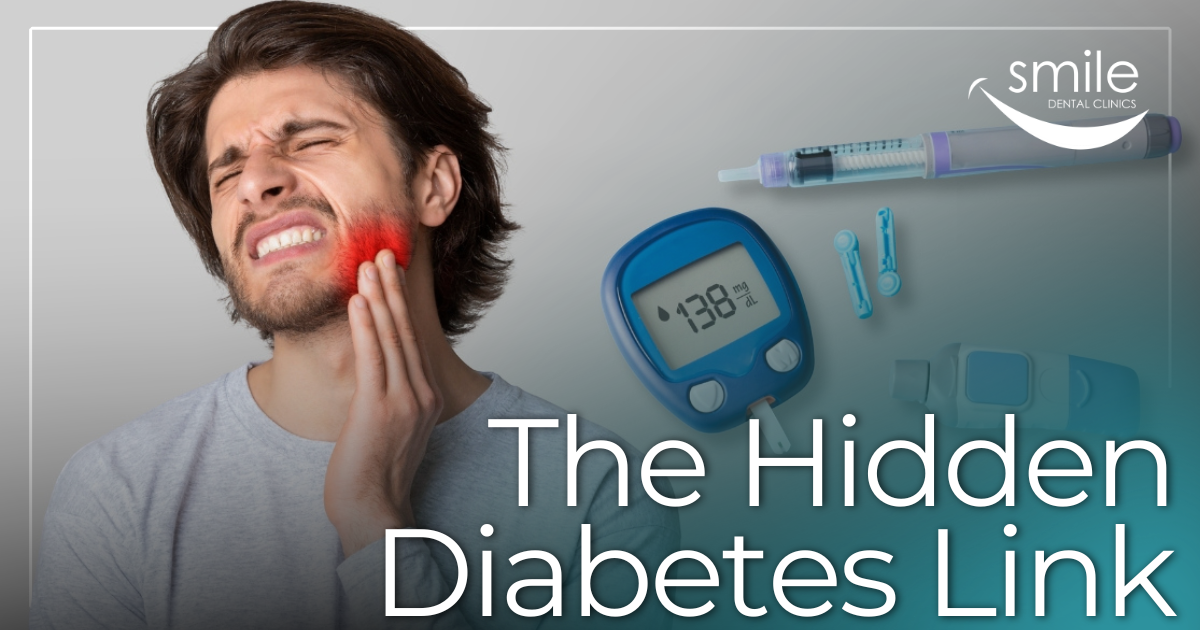
Most people managing diabetes know what to watch: kidneys, eyes, and the cardiovascular system. The mouth rarely makes that list, but there’s a well-documented relationship between diabetes and gum disease that runs in both directions. This isn’t a minor footnote. It’s a feedback loop with real consequences on both sides.
Why Diabetes Makes Gum Disease More Likely
Elevated blood sugar creates conditions that favor the growth of oral bacteria. The gum tissue becomes more susceptible to inflammation, and the body’s ability to fight infection, including the kind that drives gum disease, is compromised. Wounds in the mouth heal more slowly. Immune response is blunted. The result is that diabetic patients develop gum disease more frequently, more severely, and more quickly than the general population. And because the early signs are easy to dismiss — slight bleeding when brushing, mild tenderness, gums that look marginally different — it often progresses before anyone takes it seriously.
Why Gum Disease Makes Diabetes Harder to Manage
This is the part most patients don’t know: the relationship isn’t one-directional. Gum disease is an inflammatory condition. That chronic inflammation doesn’t stay contained to the mouth — it contributes to systemic inflammation that directly affects insulin resistance. Multiple studies have shown that patients with poorly controlled gum disease have more difficulty stabilizing blood sugar levels and that treating gum disease can produce measurable improvements in HbA1c — the marker used to track long-term blood sugar control. In practical terms, leaving gum disease untreated doesn’t just affect your teeth. It actively works against your diabetes management.
The Signals Worth Paying Attention To
For diabetic patients, these symptoms deserve prompt attention rather than a wait-and-see approach:
- Bleeding gums when brushing or flossing, even occasionally
- Persistent tenderness or swelling that doesn’t resolve on its own
- Gums pulling away from teeth or teeth appearing longer than before
- Slow healing after any dental procedure or minor mouth injury
- Recurring infections or abscesses in the mouth
None of these is automatically serious in isolation. Together, or in the context of diabetes, they warrant an evaluation.
Dental Care & Diabetes
For patients managing diabetes, dental care isn’t optional maintenance; it’s part of the same health picture as monitoring blood sugar and managing diet. While twice-yearly care works for most people, diabetic patients often benefit from three to four cleanings per year, depending on their gum health. This gives us the opportunity to catch changes early and intervene before inflammation becomes entrenched.
Blood sugar control improves the outcomes of gum treatment. If blood sugar is poorly controlled, gum tissue heals more slowly after treatment. Working with your dentist and physician together produces better results on both fronts.
If you’re managing diabetes and your last dental visit was more than six months ago, that’s the starting point. Not because something is necessarily wrong, but because the window for catching early gum changes, before they start affecting blood sugar control, is exactly when things feel minor and easy to ignore.
If you are ready for a consultation, we encourage you to call and schedule an appointment at our office located in Phoenix, AZ.