
Why Dry Mouth Deserves More Attention
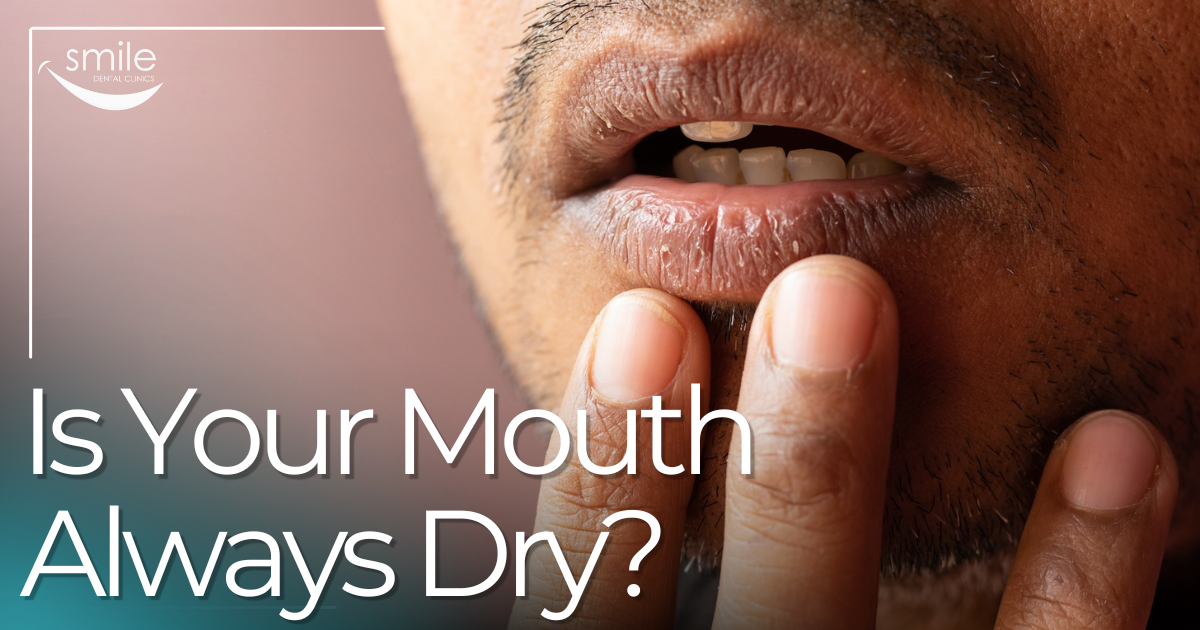
We’ve all had those moments when our mouth feels a little dry. Maybe you haven’t had enough water, you’ve been talking all day, or you woke up feeling like your mouth somehow spent the night in the desert. An occasional dry mouth is one thing, but when that dry, sticky feeling starts showing up regularly, we want to hear about it. Why? Because saliva does a lot more for your smile than you might realize, and having too little of it can affect your oral health over time.
Saliva Is Your Smile’s Unsung Hero
Saliva doesn’t get much credit, but it works hard. Throughout the day, it helps wash food particles away from your teeth, neutralizes acids produced by bacteria, and supports the natural process that helps keep your tooth enamel strong. It also makes it easier to chew, swallow, and speak comfortably.
When your mouth doesn’t produce enough saliva, some of those natural defenses are reduced. That can make it easier for plaque and bacteria to cause problems, increasing your risk of tooth decay and gum disease. Your mouth may also feel uncomfortable, your breath may change, and eating or swallowing certain foods can become more difficult.
Why Does Your Mouth Get Dry?
Sometimes the explanation for dry mouth is as simple as dehydration. However, persistent dry mouth can also be associated with medications, certain health conditions, tobacco use, or other factors. Medications are particularly worth mentioning because many commonly used prescriptions and over-the-counter products can contribute to dry mouth. That is one reason we continue asking whether anything has changed with your health or medications, even though we may have known you for years. Your answers give us important context for what we see in your mouth.
Don’t Wait Until Your Mouth Feels Extremely Dry
Dry mouth doesn’t necessarily mean feeling thirsty all day. You might notice that your mouth feels sticky when you wake up, that you are sipping water more often, or that certain foods have become harder to swallow. Your lips or tongue may feel unusually dry, your breath may seem different, or you may simply notice that your mouth does not feel quite like it used to.
The first clue may be a change we notice during your appointment. Because preventive care is such an important part of protecting your smile, we would rather talk about these changes early. Regular exams and cleanings give us an opportunity to monitor your teeth and gums and look for changes that may need a little more attention.
Small Changes Can Make a Difference
If dry mouth is bothering you, the right approach depends on why it is happening. Drinking water regularly is helpful. Good brushing and flossing habits become especially important when your mouth has less of its natural protection.
Persistent dry mouth is not something you should feel you have to solve by yourself. Tell us what you have been noticing. We can look at your oral health, talk through possible contributing factors, and help you determine what makes sense for you. If something suggests that the conversation should include your physician or another healthcare provider, we can let you know that too.
That kind of conversation fits naturally with the way we already care for you. We want you to feel comfortable asking questions, understanding what we see, and being part of decisions about your oral health.
Keep Us in the Loop
You know your mouth better than anyone. If it suddenly feels different, even in a way that seems small, tell us. Dry mouth may sound like more of an annoyance than a dental concern, but when it persists, it deserves our attention. Sometimes taking good care of your smile starts with simply noticing when something has changed.
If it is time for your next appointment, schedule with us at our office located in Phoenix, AZ. We are always happy to see you, catch up, answer your questions, and help you keep your smile healthy and comfortable.